




Choosing the right LED mirror factory is crucial for your design needs. The factory you select affects the quality, innovation, and energy efficiency of your products. Consider these key factors when making your choice:
- Quality
- Design
- Customer Satisfaction
Additionally, our ODM/OEM capabilities at Greenergy play a significant role in your flexibility. These services allow for tailored designs and support various order sizes, making it easier for you to meet diverse client demands effectively. For a comprehensive sourcing guide, look no further than Greenergy, where we specialize in satisfying customers’ needs through our innovative LED mirror solutions.
Key Takeaways
- Choose a factory with strong manufacturing capacity. Look for large facilities that can handle high production volumes to meet your project needs.
- Explore customization options to create mirrors that reflect your unique style. Consider features like lighting modes and smart home connectivity.
- Prioritize quality assurance by selecting factories with rigorous quality control standards. This ensures your mirrors meet safety and performance expectations.
- Evaluate post-sales support offered by the factory. Strong warranties and installation assistance can enhance your overall experience and protect your investment.
- Request samples before placing bulk orders. This step allows you to assess quality and features, helping you make informed decisions.
Assess Manufacturing Capacity

When you choose an LED mirror factory, assessing its manufacturing capacity is vital. A factory’s ability to produce mirrors efficiently and in large quantities can significantly impact your project timelines and overall success. Here are key factors to consider:
- Production Scale: Look for suppliers with large-scale facilities. Factories exceeding 10,000 m² can manage monthly outputs of over 5,000 units. This capacity is essential for fulfilling large retail or construction contracts. Larger factories often invest in automation to enhance production efficiency.
- Machinery and Technology: The type of machinery used in production plays a crucial role in quality and efficiency. Here’s a breakdown of common machinery found in high-capacity LED mirror manufacturing facilities:
| Machinery Type | Description |
|---|---|
| Automatic Drilling Machine | Creates precise holes in mirrors with speed and accuracy. |
| Laminating Machine | Bonds protective layers to glass, enhancing durability and safety. |
| CNC Automatic Glass Cutting Machine | Ensures high-accuracy cutting for standard and custom designs. |
| Laser Engraving Machine | Enables ultra-fine detailing on glass surfaces for custom designs. |
- Scalability for Custom Orders: A reputable LED mirror factory should demonstrate its ability to manage large custom orders. This includes using high-quality materials, such as 6063-T5 aluminum alloy profiles, which provide structural rigidity. Additionally, they should apply safety features like high-viscosity shatter-proof film to prevent injury in case of breakage.
- Quality Control: Consistency in product quality is paramount. Factories should implement rigorous quality control methods, such as standardized component sourcing and automated precision in glass processing. This ensures that every mirror meets your specifications and maintains high standards.
- Lead Times: Understand the lead times for bulk orders. Typically, the lead time for mass orders ranges from 15 to 30 days, depending on the quantity. Knowing this helps you plan your projects effectively.
By carefully assessing these aspects, you can ensure that the LED mirror factory you choose aligns with your design specifications and production needs.
Explore Customization Options
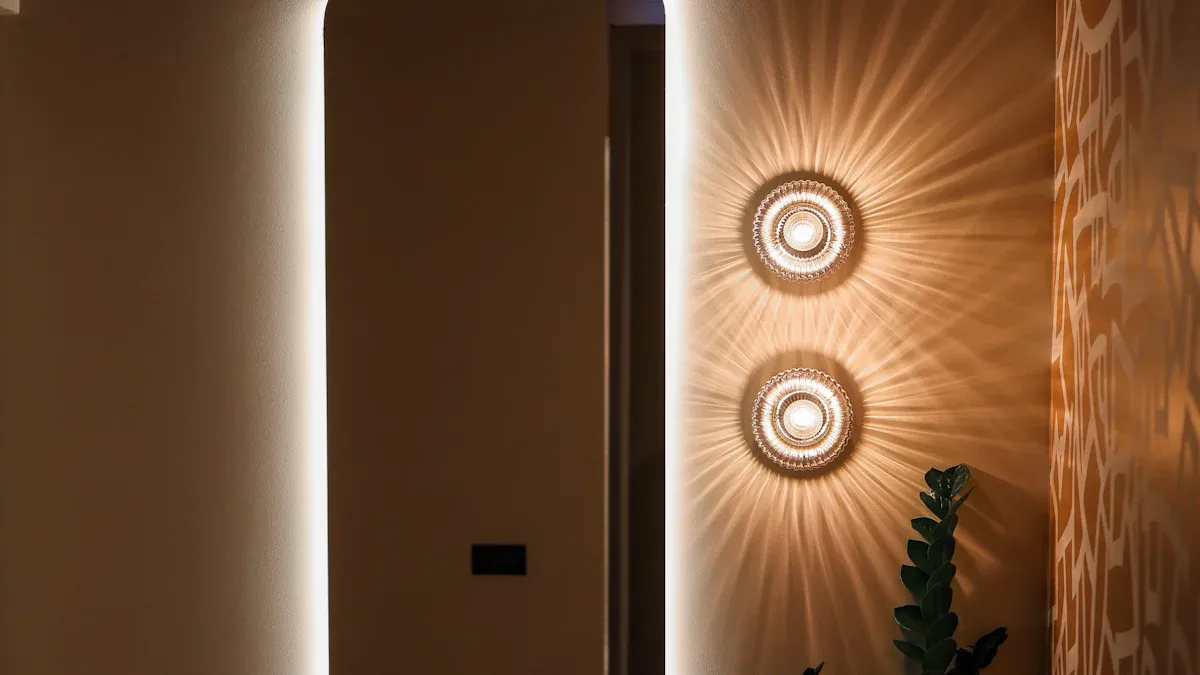
Customization is key when selecting an LED mirror factory. You want mirrors that not only meet your design specifications but also resonate with your unique style. Here are some popular customization features that you should consider:
- Ultra-Customizable Lighting Modes: Adjust lighting from warm to cool tones. This flexibility allows you to create the perfect ambiance for tasks like makeup application or relaxation.
- Integrated Smart Home Connectivity: Sync mirrors with smart home systems. This feature enables hands-free adjustments and automation, enhancing convenience.
- Advanced Material Choices and Finishes: Choose from a variety of materials and designs. This option allows you to enhance aesthetics and reflect your personal style.
- Focus on Sustainable Manufacturing: Many manufacturers now adopt eco-friendly practices. This commitment to sustainability can appeal to environmentally conscious consumers.
- Augmented Reality and Display Features: Some mirrors offer AR capabilities. This innovation provides interactive experiences that can elevate the user experience.
When you work with a reputable factory, they will accommodate your unique design specifications. For instance, Luma Mirrors collaborates with designers and contractors to create bespoke LED solutions tailored to hospitality environments. Many suppliers provide customization options that enable products to be tailored to meet specific client needs and preferences.
The typical process for submitting and approving custom LED mirror designs involves several steps:
- Initial Consultation: Understanding your needs.
- Concept Design & Proposal: Developing initial ideas.
- Prototype Development: Creating a sample for review.
- Final Approval & Production: Confirming the design before manufacturing.
- Custom Packaging & Branding: Tailoring the presentation to your brand.
- Quality Control & Final Inspection: Ensuring the product meets standards.
- Shipping & Delivery: Getting your mirrors to you on time.
- Post-Delivery Support: Assisting with any issues after delivery.
Keep in mind that customization can impact costs. Here’s a quick overview of how different frame materials can affect pricing:
| Frame Material | Style Impact | Average Cost Range |
|---|---|---|
| Wood | Classic, warm | $120 – $250 |
| Metal | Modern, durable | $100 – $200 |
| Composite | Versatile, light | $80 – $150 |
For custom mirrors, expect to pay between $150 to $300 for small sizes, $300 to $700 for medium, and $2,000 or more for large custom mirrors. The installation cost typically ranges from $110 to $240, depending on the complexity of the job.
By exploring these customization options, you can ensure that your LED mirrors not only meet functional requirements but also enhance the overall aesthetic of your space.
Ensure Quality Assurance
Quality assurance is a critical factor when choosing an LED mirror factory. You want to ensure that the mirrors you receive meet high standards of quality and safety. Here are some essential aspects to consider:
- Quality Control Standards: A reputable LED mirror factory implements various quality control measures to guarantee product excellence. Here’s a breakdown of common standards:
| Quality Control Standard | Description |
|---|---|
| Raw Material Inspection | This ensures the integrity of glass and LED electronics, using copper-free silver mirror glass and strict LED binning for color consistency. |
| Electrical Safety and Waterproofing Standards | Factories comply with dielectric strength tests and IP ratings to ensure safety in wet environments. |
| Rigorous Aging and Performance Testing | This involves burn-in tests and cycling tests to identify early failures and ensure the durability of components. |
| Corrosion Resistance and Environmental Testing | Conducting salt spray tests validates the longevity of mirror backing and metal chassis in humid environments. |
| Packaging and Logistics Validation | Factories utilize ISTA testing standards to ensure safe transport and minimize damage during shipping. |
- International Certifications: Look for factories that hold relevant certifications. These certifications demonstrate a commitment to quality and safety. Common certifications include:
- CE
- EMC
- Energy Star
- ISO 9001
- ISO 14001
- LVD-2
- SAA
- UL
- Handling Customer Complaints: A reliable LED mirror factory has processes in place to address customer complaints related to product quality. Here’s how they typically manage these issues:
| Quality Control Measure | Description |
|---|---|
| Supplier Audits | Regular evaluations of suppliers ensure they meet quality standards. |
| In-Process Checks | Ongoing inspections during production catch defects early. |
| Third-Party Testing | Independent testing verifies product quality before shipment. |
| Verified Packaging Protocols | Ensuring that packaging meets quality standards prevents damage during transit. |
By prioritizing quality assurance, you can select an LED mirror factory that not only meets your design specifications but also delivers products that stand the test of time. This commitment to quality will ultimately enhance customer satisfaction and strengthen your brand reputation.
Consider Post-Sales Support
Post-sales support is a crucial aspect of your relationship with an LED mirror factory. You want to ensure that your investment is protected and that you have assistance when needed. Here are key elements to consider:
- Warranty Terms: A solid warranty can provide peace of mind. Look for factories that offer comprehensive warranty coverage. Here’s a breakdown of typical warranty types:
| Warranty Type | Duration | Coverage Details |
|---|---|---|
| Shipping Damage | 10 days | Covers surface blemishes, chips, or breakage on mirror and aluminum components upon receipt. |
| Mirror Glass and Aluminum Frame | Limited 1 Year | Covers defects from normal wear and tear, excluding human-caused damage. |
| Electronics | Limited 1 Year | Free replacement for electronic components, including LED strips and controls, for one year post-purchase. |
- Installation Support: Ensure the factory provides guidance on installation. Some manufacturers, like WarmlyYours, offer a dedicated technical support team available 24/7. This support can help you with installation questions and product selection, making the process smoother.
- Maintenance Assistance: After your purchase, you may need help with maintenance. A reliable factory will offer resources to assist you. For example, they might provide detailed manuals or online tutorials. This support can save you time and ensure your mirrors function optimally.
- Replacement Process: Understand how the factory handles replacements. A straightforward process can save you frustration. Typically, you should be able to contact customer service, provide your order details, and receive parts or exchanges without hassle.
By prioritizing post-sales support, you can enhance your overall experience with the LED mirror factory. This support not only protects your investment but also ensures that you can enjoy your mirrors without worry. Choose a factory that values customer service as much as product quality, and you’ll set yourself up for success.
Choosing the right LED mirror factory is essential for your success. Focus on key factors like manufacturing capacity, customization options, quality assurance, and post-sales support. These elements will help you make an informed decision.
Don’t hesitate to reach out to potential suppliers. Follow this process:
- Research and Find Manufacturers
- Request Quotes
- Sample Evaluation
- Negotiate Terms
- Place Your Order
- Arrange Shipping
- Customs Clearance
- Delivery and Inspection
Requesting samples is crucial. It allows you to assess quality and features before making bulk purchases. This step significantly influences your final decision.
By taking these actions, you can ensure that your investment in LED mirrors meets your design specifications and enhances your offerings.
FAQ
What should I look for in an LED mirror factory?
You should prioritize manufacturing capacity, customization options, quality assurance, and post-sales support. These factors ensure that the factory can meet your design specifications and provide reliable products.
How can I assess the quality of LED mirrors?
Request samples from potential suppliers. Inspect the materials, finish, and functionality. Look for certifications like CE and UL to ensure safety and quality standards.
Are customization options available for LED mirrors?
Yes, many factories offer extensive customization options. You can choose lighting modes, materials, and finishes to create mirrors that match your unique style and requirements.
What is the typical lead time for bulk orders?
Lead times usually range from 15 to 30 days, depending on the order size and complexity. Always confirm this with your chosen factory to plan your projects effectively.
How important is post-sales support?
Post-sales support is crucial. It ensures you have assistance with installation, maintenance, and any issues that may arise after purchase, protecting your investment.
Post time: Jan-29-2026


