




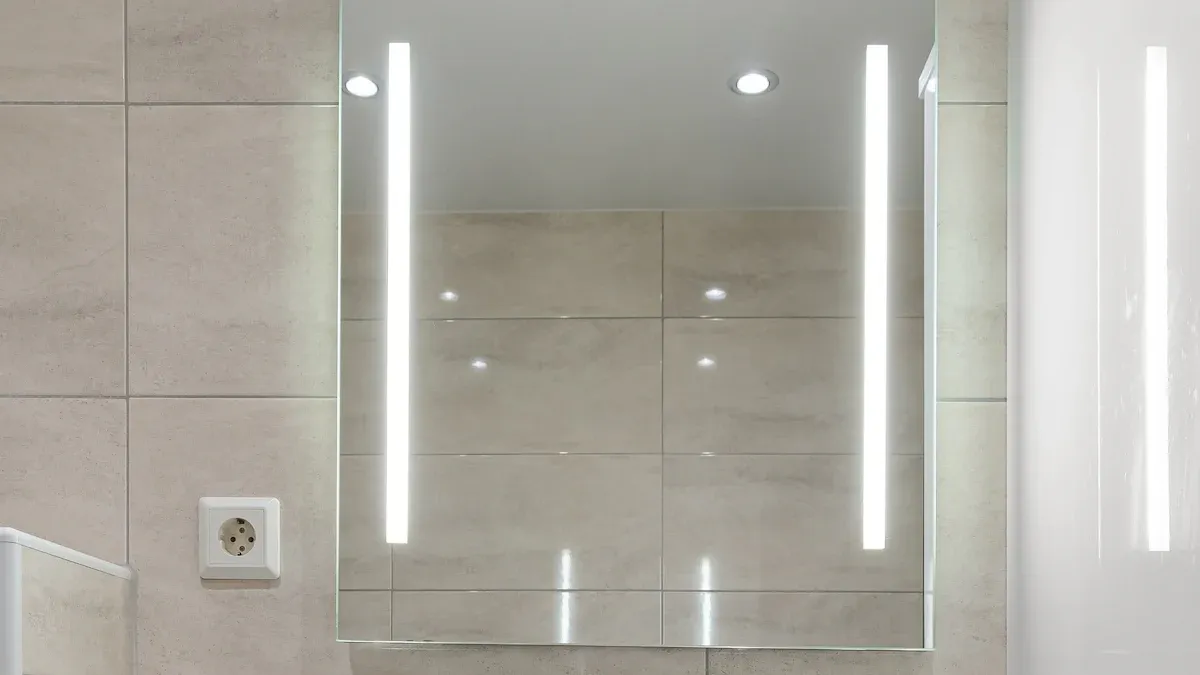
Restore your LED bathroom mirror’s functionality quickly. This guide provides simple, fast solutions for common issues like lights not working, flickering, or dimming. Users also frequently report unresponsive touch sensors. This resource helps get your LED Light Mirror working perfectly today with practical, easy-to-follow steps.
Key Takeaways
- Always turn off the power at the circuit breaker before you fix your LED mirror. This keeps you safe from electric shock.
- If your mirror has no power, check the outlet, circuit breaker, and all connections. Clean touch sensors if they do not work.
- Flickering lights often mean you have the wrong dimmer switch or loose wires. Make sure your dimmer works with LED lights.
Immediate Solutions for Your LED Light Mirror

Safety First: Power Disconnection
Before attempting any repairs or troubleshooting on an LED bathroom mirror, prioritizing safety is crucial. Electrical work always carries risks. Technicians must first locate and turn off the electrical power at the circuit breaker that controls the bathroom. This action prevents accidental shocks. After confirming the power is off, they can safely identify and carefully disconnect all electrical connections to the mirror. Proper wire handling procedures are essential during this step to avoid damage or future electrical issues. Always ensure the power source is completely isolated before proceeding with any inspection or repair.
Initial Checks for No Power
When an LED bathroom mirror fails to illuminate, several common issues often cause the problem. Technicians should begin by checking the power supply. A faulty power connection means the mirror may not properly connect to its outlet. Sometimes, a blown fuse or a tripped circuit breaker interrupts the power flow. Electrical components in a high-humidity bathroom environment are susceptible to such issues.
Beyond the main power, internal components can also fail. Worn-out LED strips have a limited lifespan and degrade over time. Moisture damage from high humidity can seep into LED strips, causing damage and malfunction. A faulty LED driver can prevent the lights from turning on. Problems with the control board, which manages features like touch controls, also stop the lighting from working. Environmental impacts like high humidity cause condensation to infiltrate electrical components, leading to short circuits, corrosion, or complete failure. Sudden temperature fluctuations cause thermal expansion and contraction, which leads to cracks, weakened solder joints, and disconnections. Technicians should also check for loose wiring connections or issues within the mirror’s circuit, including a blown internal fuse. External factors, such as a loose connection, especially in lightweight mirror models, can also be the culprit for a non-functional LED Light Mirror.
Quick Fixes for Flickering Lights
Flickering LED lights on a bathroom mirror indicate various underlying problems. One common cause involves incompatible dimmers. Using dimmer switches not designed for LED bulbs often results in flickering. Loose wiring connections in the switch, fixture, or bulb disrupt power flow. An overloaded circuit, with too many electrical appliances, causes voltage fluctuations and flickering. Faulty bulbs, especially poorly manufactured ones with defective driver components, also lead to flickering.
Voltage fluctuations, or instability in the electrical system, make LED lights flicker. Beyond loose connections, systemic electrical issues disrupt power flow. Low-quality or incompatible dimmer switches frequently cause flickering. Harsh weather conditions, like electrical storms or power surges, lead to voltage fluctuations. Certain switches, such as occupancy sensors, may not work effectively with LEDs. An inadequate power supply, particularly with multiple appliances, causes flickering. As LED bulbs age, they can deteriorate and begin to flicker.
Driver malfunctions are another significant cause. LED lights use a driver to convert AC to DC. If this driver fails due to age, heat, or poor quality, it causes irregular power conversion and flickering. Inconsistent electrical supply, from power surges, grid issues, or overloaded circuits, also leads to flickering. This is more common in older homes or unstable grids. Poor electrical connections or loose wiring in the circuit, fixture, or socket disrupt the steady flow of electricity. When a circuit’s load exceeds its capacity, often due to high-power devices, it causes voltage drops or fluctuations that make LED Light Mirror lights flicker. Low-quality LED bulbs often use inferior components and lack proper circuitry to handle power variations. Capacitor issues, where capacitors fail to smooth electrical currents, also result in uneven power delivery and flickering.
Troubleshooting Common LED Bathroom Mirror Problems
When Your LED Light Mirror Has No Power
When an LED bathroom mirror fails to illuminate, a systematic approach helps diagnose the problem. First, technicians ensure the mirror connects securely to a working electrical outlet. They test other devices in the same outlet to confirm its functionality. If the outlet works, they then check the fuse box for a tripped circuit breaker, resetting it if necessary. If the mirror still lacks power, they try plugging it into a different outlet to rule out an issue with the specific socket.
For mirrors with touch or motion sensors, technicians clean the sensor area to remove any dirt, dust, or moisture. If cleaning does not resolve the issue, they try resetting the mirror by unplugging it for a few minutes. If the mirror was recently installed, they inspect the wiring for incorrect connections or loose wires, referring to the installation manual for guidance. If the lights flicker or appear partially lit, a burned-out LED strip or bulb might be the cause, often requiring replacement. For hardwired mirrors, technicians inspect the wiring for loose connections. If the mirror lights do not turn on, the LED driver might be faulty. Technicians look for signs like a burnt smell or discoloration. A professional often needs to replace a faulty LED driver.
Addressing Flickering or Dimming LED Lights
Flickering or dimming LED lights on a bathroom mirror often indicate an underlying issue. Incompatible dimmers frequently cause flickering. Technicians ensure the dimmer switch is specifically designed for LED lighting. Loose wiring connections within the switch, the mirror fixture, or the bulb itself can disrupt power flow, leading to instability. An overloaded electrical circuit, with too many appliances drawing power, also causes voltage fluctuations and flickering. Faulty LED bulbs, especially those with defective internal drivers, contribute to inconsistent illumination.
Voltage fluctuations, or instability in the electrical system, make LED lights flicker. Beyond loose connections, systemic electrical issues disrupt power flow. Low-quality or incompatible dimmer switches frequently cause flickering. Harsh weather conditions, like electrical storms or power surges, lead to voltage fluctuations. Certain switches, such as occupancy sensors, may not work effectively with LEDs. An inadequate power supply, particularly with multiple appliances, causes flickering. As LED bulbs age, they can deteriorate and begin to flicker. Driver malfunctions are another significant cause. LED lights use a driver to convert AC to DC. If this driver fails due to age, heat, or poor quality, it causes irregular power conversion and flickering. Inconsistent electrical supply, from power surges, grid issues, or overloaded circuits, also leads to flickering. This is more common in older homes or unstable grids. Poor electrical connections or loose wiring in the circuit, fixture, or socket disrupt the steady flow of electricity. When a circuit’s load exceeds its capacity, often due to high-power devices, it causes voltage drops or fluctuations that make LED Light Mirror lights flicker. Low-quality LED bulbs often use inferior components and lack proper circuitry to handle power variations. Capacitor issues, where capacitors fails to smooth electrical currents, also result in uneven power delivery and flickering.
Fixing Unresponsive Touch Sensors
An unresponsive touch sensor on an LED bathroom mirror can be frustrating. Technicians begin by checking the power supply. They ensure the mirror plugs properly into an active outlet and that the power supply remains stable. They try a different socket or check battery charge if applicable. Next, they inspect the wiring for loose or damaged internal connections. If they suspect wiring issues, they contact a professional technician. If the mirror is new and the sensor does not work, the sensor might be faulty. In this case, they contact the manufacturer for a potential replacement.
Technicians also reduce electrical interference. They identify and minimize interference from nearby electronic devices by relocating the mirror or the devices. They clean the sensor surface by gently wiping it with a clean, soft cloth to remove dust, stains, or moisture that can affect performance. If other steps fail, they power cycle the mirror by turning it off, waiting a few minutes, and then turning it back on. They use a reset button if the manufacturer provides one. If the problem persists after trying all these steps, they consider replacing the sensor or contacting technical support for further diagnosis and repair.
Resolving Condensation and Fogging Issues
Condensation and fogging on an LED bathroom mirror occur due to specific environmental conditions. When the mirror’s surface temperature drops below the dew point, water vapor in the air condenses on the mirror, forming visible droplets and fog. This happens because of a temperature difference between the inside and outside of the bathroom. High humidity levels, especially after a shower, mean the air holds a substantial amount of water vapor. When this moist air encounters the relatively cooler mirror surface, the water vapor condenses into small droplets, creating fog. Mirrors become misty and steamy when hot moisture (condensation) from a hot bath or shower fills the bathroom. When this hot moisture comes into contact with the cool surface of the bathroom mirror, it creates a thin layer of fog.
To resolve these issues, users can consider several solutions. Many modern LED bathroom mirrors feature built-in defoggers or heating pads that warm the mirror surface, preventing condensation. Activating this feature before or during a shower effectively keeps the mirror clear. Improving bathroom ventilation also helps significantly. Running an exhaust fan during and after showers removes moist air from the room, reducing overall humidity. Ensuring proper air circulation prevents the buildup of water vapor that causes fogging.
Advanced Fixes and When to Call a Professional
InspectinG LED Light Mirror Wiring and Components
Technicians inspect the wiring and components of an LED bathroom mirror for advanced troubleshooting. Mirrors often hardwire to a wall switch, connecting to standard Romex lighting circuit wiring behind the mirror. Some options include a plug-in outlet connected to a wall switch. Users can remove the outlet and connect the mirror directly. For wiring without a wall switch, many front-lighted rectangular mirrors include a pre-installed switch. A Remote Control Dimmer/Switch upgrade controls the mirror.
Replacing Faulty LED Drivers or Strips
Replacing faulty LED drivers or strips often resolves persistent lighting issues. Common indicators of a malfunctioning LED driver include persistent flickering, buzzing noises, dimming, or visible physical damage. The most obvious sign is when the LEDs fail to light up. Lights may flicker or flash intermittently. LEDs might appear less bright than usual. The lighting across the mirror may be uneven. The driver itself might become excessively hot. Users might detect a burning odor or see physical damage. A faulty driver could produce electrical noise or a humming sound.
Understanding Dimmer Compatibility for LED Mirrors
Understanding dimmer compatibility is crucial for optimal LED Light Mirror performance. Not all dimmers work effectively with LED technology. Using an incompatible dimmer can lead to flickering, buzzing, or premature failure. Technicians ensure the dimmer switch is specifically designed for LED loads. They check the mirror’s specifications and the dimmer’s compatibility list.
When to Seek Expert Help for Your LED Bathroom Mirror
Users should seek expert help for their LED bathroom mirror in several situations. When basic troubleshooting cannot resolve electrical issues, professionals are necessary. For problems not fixed through simple maintenance, experts provide solutions. Safety concerns also warrant professional intervention. To avoid voiding the warranty by attempting DIY repairs, users consult professionals. Repeated electrical issues, like a circuit breaker consistently tripping, indicate a need for expert assistance. If the LED driver or internal wiring shows signs of damage, professionals should handle the repair. If users cannot identify or resolve the problem themselves, they should contact a qualified technician.
This guide provided essential quick fixes for common LED mirror issues, including power problems, flickering lights, and unresponsive sensors. Preventative maintenance ensures the longevity of your LED Light Mirror. Users can now enjoy a fully functional and illuminated bathroom mirror.
FAQ
How long do LED bathroom mirrors typically last?
LED bathroom mirrors generally last 50,000 hours or more. This translates to many years of daily use. Greenergy ensures product longevity through quality manufacturing and certifications.
Can I replace the LED strips myself?
Replacing LED strips requires technical knowledge. It often involves disassembling the mirror and handling electrical components. Greenergy recommends professional assistance for such repairs to ensure safety and proper functionality.
What causes condensation on LED bathroom mirrors?
Condensation occurs when warm, moist air contacts a cooler mirror surface. High humidity in bathrooms, especially after showers, causes this temperature difference. Proper ventilation and defogger features help prevent it.
Post time: Dec-26-2025


