




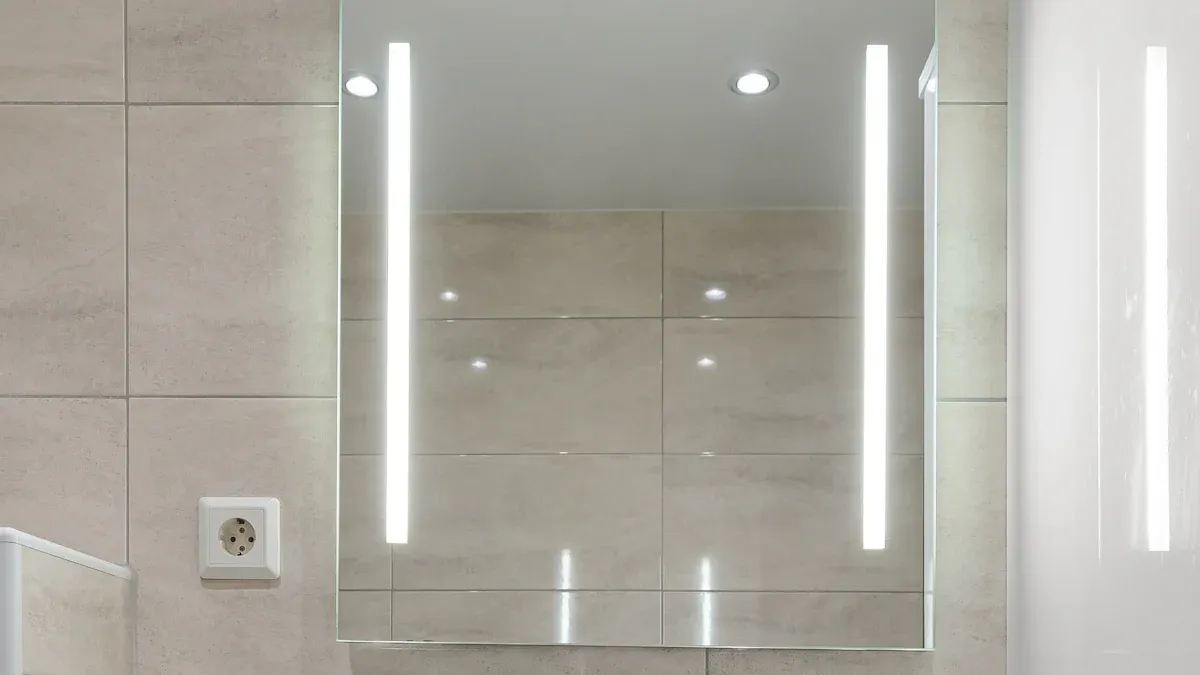
Professional assistance is crucial for hardwired LED mirrors. However, plug-in models often do not require expert help. Greenergy specializes in LED Mirror Light series, offering various options for diverse customer needs. Understanding the mirror’s power source guides installation decisions.
Key Takeaways
- Plug-in LED mirrors are easy to install. You can do it yourself. Hardwired LED mirrors need a professional electrician.
- Electricians ensure safety. They follow rules for hardwired LED mirrors. This prevents electric shocks and fires.
- Hiring an electrician protects your warranty. It saves money in the long run. They make sure the mirror works correctly.
Understanding Your LED Mirror Light Type
Choosing the right installation method for an LED mirror depends on its power connection. LED mirrors typically come in two main types: plug-in models and hardwired models. Each type has distinct installation requirements and considerations. Understanding these differences helps homeowners decide whether professional assistance is necessary.
Plug-In LED Mirror Light Installation
Plug-in LED Mirror Light models offer a simple installation process. Users can easily mount these mirrors to a wall. They then plug the mirror’s cord into a standard electrical outlet. This method requires no complex electrical work. Homeowners often complete this installation themselves. It provides flexibility for placement, as long as an accessible outlet is nearby. Greenergy designs many of its LED Mirror Light products for user-friendly plug-in installation.
Hardwired LED Mirror Light Installation
Hardwired LED Mirror Light units connect directly to a home’s electrical system. This type of installation involves integrating the mirror’s wiring into an existing junction box or new electrical circuit. It requires knowledge of electrical codes and safety protocols. This process often includes turning off power at the main breaker and making secure wire connections. Improper hardwiring can pose significant safety risks. Therefore, a licensed electrician typically handles these installations.
When an Electrician is Crucial for Your LED Mirror Light

Professional electricians play a vital role in the safe and compliant installation of hardwired LED mirrors. Their expertise becomes indispensable in several key scenarios, ensuring both the functionality and longevity of the installation.
Ensuring Safety and Code Compliance
Electrical installations, especially in bathrooms, demand strict adherence to safety standards and local electrical codes. An electrician understands these regulations, preventing potential hazards. For instance, a common point of contention involves the accessibility of junction boxes located behind mirrors. Some codes consider a junction box inaccessible if tools are required to remove the mirror, potentially violating code 314.29. Inspectors might view a mirror secured by screws or clips as “part of the building,” making a junction box behind it a violation. The code aims to ensure access for testing, inspection, and modification without damaging the building structure.
Furthermore, specific electrical safety standards apply to bathroom lighting fixtures. Fixtures in or near showers and bathtubs, areas subject to direct water exposure, must carry a wet location rating. The National Electrical Code (NEC) Article 410.10(D) prohibits most electrical fixtures within the zone directly over the tub or shower stall, extending three feet horizontally and eight feet vertically. Only wet-location-rated fixtures specifically listed for this purpose can be installed there. Other bathroom areas with moisture, but not direct saturation, require damp location ratings. An electrician ensures the correct fixture type is installed in the appropriate zone. They also identify and avoid unauthorized products. UL Solutions has issued notifications for LED illuminated mirrors, such as Model MA6804 (834-027), which bear unauthorized UL Certification Marks. These products have not been evaluated to appropriate Safety Standards and may not comply with safety requirements. An electrician helps homeowners avoid such non-compliant and potentially unsafe products.
Complex Wiring and Electrical Upgrades
Many installations require more than simply connecting wires. Existing bathroom wiring might be insufficient for a new LED Mirror Light. For example, the existing lighting circuit wiring behind the mirror might not connect to a wall switch. Many LED mirrors are designed to be hardwired to a wall switch. This scenario necessitates an electrician to run new wiring or install a suitable switch. While a plug-in outlet might exist behind the mirror, it is often not ideal for hardwiring without modifications. An electrician can properly remove the outlet and hardwire the mirror, or install a new circuit if needed.
Electrical upgrades can involve significant work. An electrical rough-in, the initial stage of laying out basic wiring, becomes necessary when installing lighting in a location without existing wiring. This process involves running new lines to specifications before final connections. The cost for an electrical rough-in typically ranges from $250 to $400 per junction box, outlet, or switch. Installing a dedicated line for a high-power fixture can cost between $300 and $1,000. If the home’s electrical panel cannot handle the additional load, a panel upgrade, costing $2,000 to $5,000 or more, might be required. An electrician assesses the existing electrical system and performs any necessary upgrades safely and efficiently.
Protecting Your Warranty and Investment
Professional installation safeguards the manufacturer’s warranty and protects the homeowner’s investment. Manufacturers typically require adherence to their installation guidelines to ensure warranty validity. This often includes using qualified electricians when the installation involves hardwiring. They also specify proper clearances, ventilation, and recommended mounting hardware.
Conversely, manufacturers generally do not cover damage resulting from incorrect installation, use in unsuitable environments, modifications, or non-professional repairs. Voiding a product warranty due to improper installation shifts the financial burden of product failure, repair, or replacement from the manufacturer to the owner. This can lead to significant expenses for the owner, as the manufacturer will no longer be liable for issues that would otherwise have been covered. The comfort and risk minimization provided by a warranty are lost, making the owner responsible for potentially costly repairs or replacements. Hiring a licensed electrician ensures the installation meets all requirements, preserving the warranty and protecting the investment in the LED mirror.
DIY vs. Professional LED Mirror Light Installation
Deciding between a do-it-yourself (DIY) approach and professional installation for an LED mirror light involves weighing potential risks against the benefits of expert service. While DIY can seem appealing for its immediate cost savings, especially for plug-in models, hardwired installations present complexities that often warrant professional intervention.
Risks of DIY Hardwiring
Attempting to hardwire an LED mirror light without proper electrical knowledge carries significant risks. Many DIY installers frequently encounter several electrical hazards. For instance, they might fail to ensure proper grounding, which is essential for protection against electrical faults. Without adequate grounding, the risk of electric shock increases significantly. Another common oversight involves not connecting the mirror to GFCI-protected circuits. This omission creates a serious electric shock risk if abnormal current patterns occur, especially in a moisture-prone bathroom environment.
Furthermore, DIY installations often neglect the importance of adequate water resistance, or IP rating. In bathrooms, insufficient IP ratings allow moisture infiltration, which can cause short circuits or other electrical hazards. Non-compliance with safety standards and building codes also frequently occurs. Such failures result in unsafe installations and potential electrical issues. Improper wiring for integrated electrical features within the mirror is another significant pitfall. Incorrect wiring can lead to immediate electrical dangers. Many DIYers also ignore basic safety precautions, such as not switching off power before handling electrical parts. This can result in serious accidents during installation.
Beyond immediate safety concerns, homeowners face potential legal liabilities if an improperly installed electrical fixture causes damage or injury. Property owners have a legal obligation, or “duty of care,” to maintain a safe environment. If an owner fails to install, maintain, or repair wiring according to safety standards, they breach this duty. If this failure directly leads to an accident, causing injuries or damages, the owner can be held liable. This includes financial losses suffered by the injured party. Homeowners can also face liability for failing to adhere to building codes and electrical safety standards.
Benefits of Professional Expertise
Hiring a licensed electrician for LED mirror light installation offers numerous benefits that outweigh the initial cost. These professionals possess specialized training and certifications. Electricians typically begin their careers with skill training courses. They then complete a hands-on apprenticeship. While specific requirements vary by state or country, these training programs cover essential topics. They include common electrical situations, the National Electrical Code®, and local electrical codes. Electricians learn about circuits and various wiring methods. This comprehensive training prepares them for state-required licensing exams.
Professional electrical services ensure safety, long-term reliability, and peace of mind. Electricians minimize potential hazards. They guarantee the proper functioning and longevity of new fixtures. While DIY might offer initial cost savings, improper installation often leads to safety risks or additional repair costs. These hidden costs ultimately negate any perceived labor savings. Professional electrical installation, despite a potentially higher initial cost, proves more cost-effective in the long run. The superior quality of a professional installation leads to reduced maintenance and repair expenses over time. This protects the homeowner’s investment and avoids future complications.
Prioritize safety and compliance for hardwired LED mirror installations. These projects demand strict adherence to electrical codes and safety protocols. Homeowners should carefully evaluate their comfort and skill level before attempting plug-in model installations. When any doubt arises regarding the process, always consult a licensed electrician. This ensures a safe and effective outcome for your new fixture.
FAQ
Can a homeowner install a hardwired LED mirror themselves?
Homeowners should not install hardwired LED mirrors themselves. This task requires a licensed electrician for safety and code compliance.
What are the risks of improper LED mirror installation?
Improper installation risks electrical shock, fire hazards, and voided warranties. It can also lead to non-compliance with local electrical codes.
Does Greenergy offer support for installation questions?
Greenergy focuses on manufacturing high-quality LED mirrors. For installation, customers should consult a qualified electrician.
Post time: Dec-19-2025


