



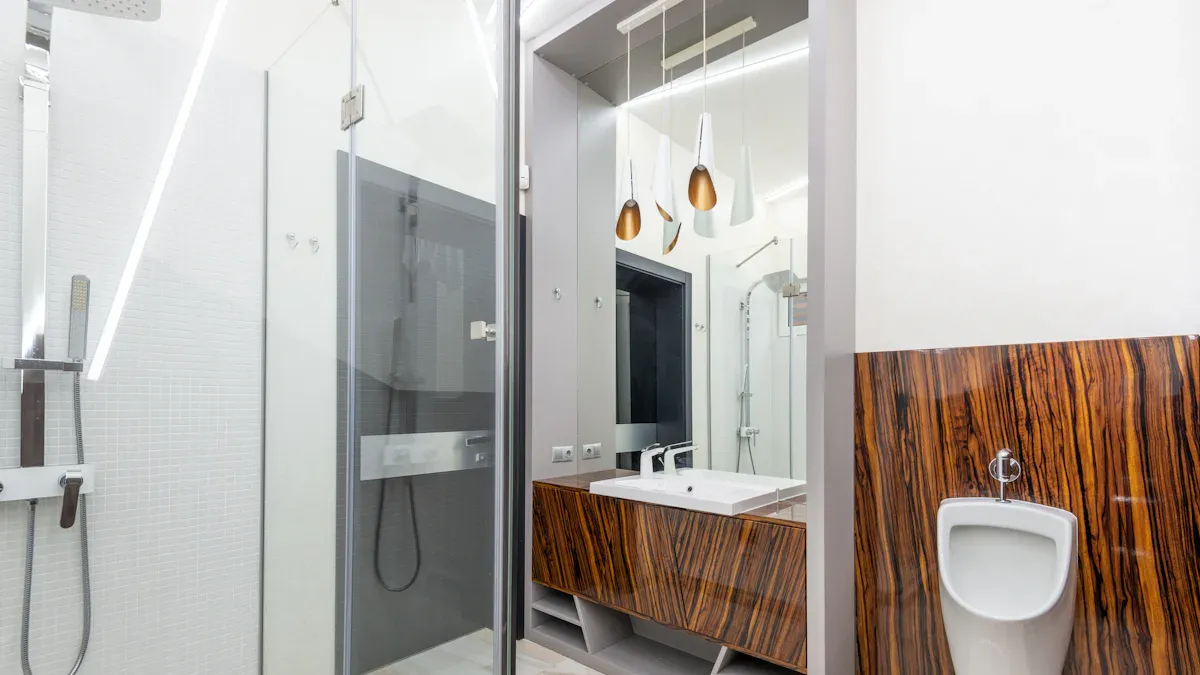
Certified LED mirrors, such as those marked with TUV or SGS tested, guarantee superior safety and quality compared to standard LED mirrors. These certifications confirm compliance with rigorous testing standards, ensuring that products meet safety regulations. In contrast, uncertified mirrors pose significant risks, including potential electrical hazards and poor durability. Consumers must prioritize certified products to avoid such dangers. Furthermore, advancements like glass laser cutting vs traditional cutting enhance precision and quality, setting certified mirrors apart from their uncertified counterparts.
Key Takeaways
- Choose certified LED mirrors for guaranteed safety and quality. Certifications like TUV and SGS ensure compliance with strict safety standards.
- Certified mirrors last longer, typically around 50,000 hours, reducing the need for frequent replacements and saving money in the long run.
- Uncertified mirrors can pose serious risks, including electrical hazards and poor durability. Always check for certification labels before purchasing.
- Investing in certified mirrors may have higher upfront costs, but they lead to lower maintenance expenses due to superior materials and construction.
- Look for certifications like UL to ensure safety and reliability, which builds consumer trust and opens access to important markets.
Importance of Certification
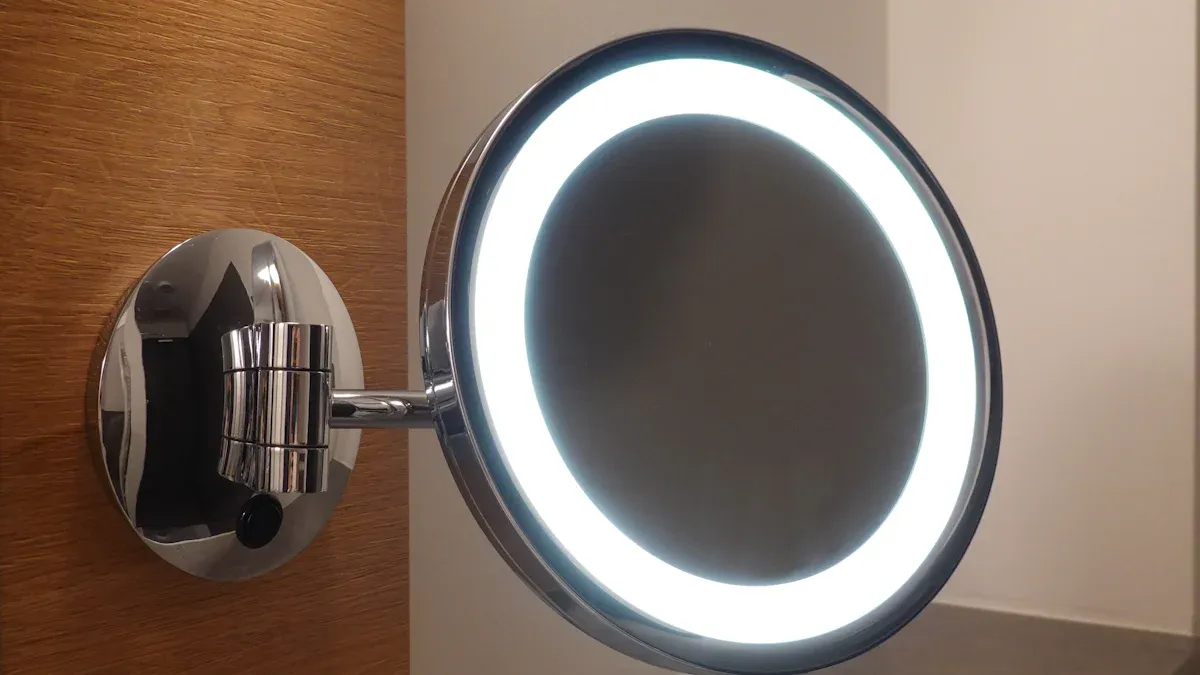
Certification plays a crucial role in ensuring the safety and quality of LED mirrors. It provides consumers with confidence that the products they purchase meet established safety standards. Certified LED mirrors undergo rigorous testing to verify their compliance with legal and regulatory requirements. This process protects consumers from potential hazards associated with inferior products.
Key Benefits of Certification:
- Safety Assurance: Certified mirrors undergo extensive safety testing. This testing evaluates electrical safety, electromagnetic compatibility, and hazardous substances. Consumers can trust that certified products minimize risks of electrical shock or fire.
- Quality Control: Certification ensures that manufacturers adhere to strict quality control measures. This leads to better durability and performance, enhancing the overall user experience.
- Market Acceptance: Many retailers and distributors prefer certified products. Certification can open doors to broader market opportunities, making it easier for consumers to find reliable products.
The certification landscape varies by region. For instance, in Europe, products must meet CE, ERP, and RoHS certification requirements. These certifications involve testing for electrical safety, energy efficiency, and hazardous substances. In North America, LED mirrors require DOE, FCC, and UL certifications, focusing on energy efficiency and safety performance.
Here is a summary of the certification requirements in major markets:
| Region | Certification Requirements | Testing Content |
|---|---|---|
| Europe | CE certification, ERP energy efficiency certification, RoHS certification | Electrical safety testing, Electromagnetic compatibility testing, Energy efficiency testing, Hazardous substance testing |
| North America | DOE certification, FCC certification, UL certification | Energy efficiency testing, Electromagnetic radiation testing, Safety performance testing, Other tests |
Standards Set by TUV/SGS
TUV and SGS are two of the most recognized certification bodies in the world. They set rigorous standards for various products, including LED mirrors. These standards ensure that products meet specific safety, quality, and environmental criteria.
Key Standards Established by TUV/SGS:
- Electrical Safety: TUV and SGS evaluate the electrical components of LED mirrors to prevent hazards such as electric shock or fire. They test for proper insulation, grounding, and circuit protection.
- Energy Efficiency: Both organizations assess the energy consumption of LED mirrors. They ensure that products comply with energy efficiency regulations, which helps consumers save on electricity costs.
- Material Safety: TUV and SGS require manufacturers to use materials that are free from hazardous substances. This includes testing for heavy metals and other harmful chemicals, ensuring that the mirrors are safe for everyday use.
- Durability Testing: Certified LED mirrors undergo extensive durability tests. These tests simulate real-world conditions to ensure that the mirrors can withstand daily use without degradation.
- Environmental Impact: TUV and SGS promote sustainability by encouraging the use of recyclable materials in the manufacturing process. This commitment to the environment enhances the appeal of certified products.
The benefits of using certified LED mirrors extend beyond safety and compliance. For instance, these mirrors typically last for approximately 50,000 hours, significantly longer than traditional bulbs, which last only about 1,000 hours. This longevity reduces the frequency of replacements, leading to lower long-term costs for consumers.
| Benefit | Description |
|---|---|
| Longer Product Lifespan | Reduces replacement frequency due to durability. |
| Reduced Energy Consumption | Saves energy during use, contributing to longevity. |
| Mercury-Free Technology | Safer for the environment, enhancing product appeal. |
| Recyclable Materials | Supports sustainability, adding to the product’s value. |
Advantages of Certified LED Mirrors
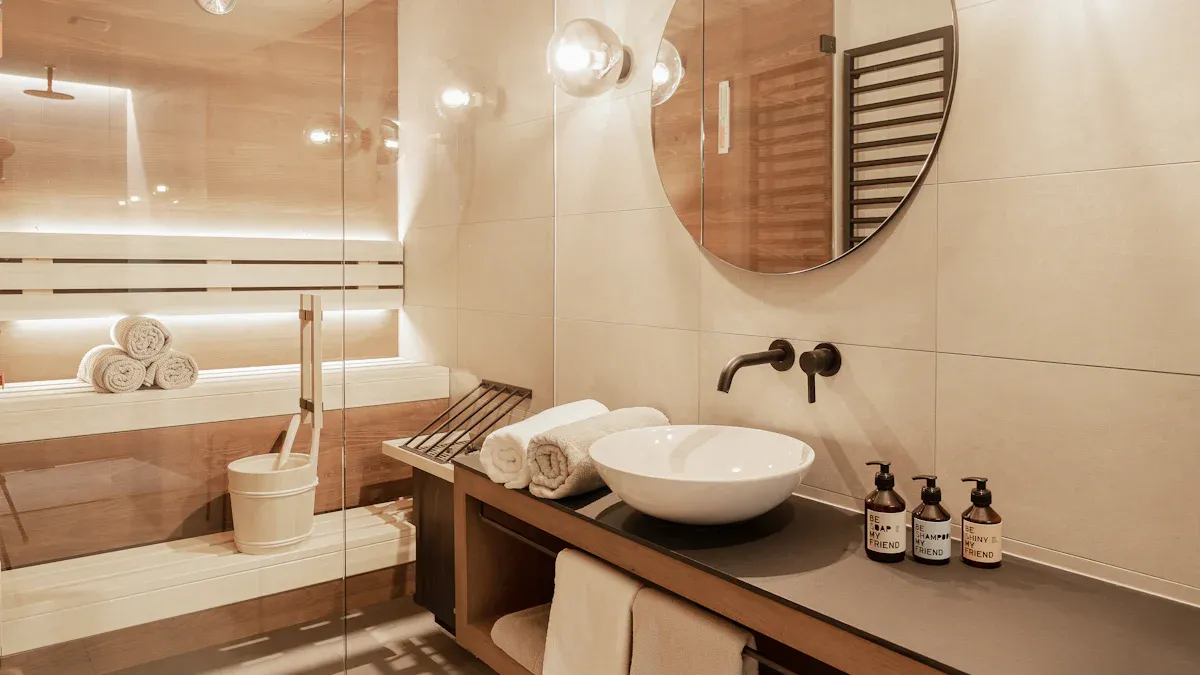
Certified LED mirrors offer numerous advantages that enhance their appeal to consumers. These benefits stem from rigorous testing and adherence to safety standards.
- Enhanced Safety: Certified mirrors undergo extensive safety evaluations. This process minimizes risks associated with electrical hazards. Consumers can trust that these products meet stringent safety requirements.
- Lower Maintenance Costs: Although certified mirrors may have higher initial costs, they often lead to lower maintenance expenses over time. For instance, the quality of components used in certified mirrors, such as wires and plugs, tends to be superior. This results in fewer repairs and replacements. The following table illustrates the cost differences:
Component Type Certified Cost Uncertified Cost Wires More expensive Less expensive Plugs More expensive Less expensive - Energy Efficiency: Certified LED mirrors typically consume less energy compared to their uncertified counterparts. This efficiency translates into lower electricity bills, making them a cost-effective choice in the long run.
- Durability: The materials used in certified mirrors are often more durable. They withstand daily wear and tear better than uncertified options. This durability ensures that consumers enjoy their mirrors for many years without significant degradation.
- Environmental Responsibility: Many certified mirrors utilize recyclable materials. This commitment to sustainability appeals to environmentally conscious consumers. By choosing certified products, individuals contribute to reducing waste and promoting eco-friendly practices.
Potential Risks of Uncertified Mirrors
Uncertified LED mirrors pose several risks that consumers should consider before making a purchase. These products often lack the rigorous testing and quality assurance that certified mirrors undergo. As a result, they can lead to various safety and health concerns.
- Inferior Manufacturing: Uncertified mirrors frequently come from manufacturers who do not adhere to strict quality control measures. This lack of oversight can result in products that fail to meet safety standards.
- Subpar Materials: Many uncertified mirrors utilize low-quality materials. These materials can lead to safety issues, such as the risk of breakage or malfunction. Consumers may find themselves dealing with mirrors that degrade quickly, leading to additional costs for replacements.
- Electrical Hazards: The absence of safety standards significantly increases the risk of electrical hazards. Uncertified mirrors may have faulty wiring or inadequate insulation, which can result in electric shock or even fire.
Tip: Always check for certification labels when purchasing LED mirrors. This simple step can help ensure safety and quality.
- Health Risks: Poor material quality can also pose health risks. Uncertified mirrors may contain harmful substances, such as heavy metals or toxic chemicals. Prolonged exposure to these materials can lead to adverse health effects.
Glass Laser Cutting vs Traditional Cutting
The choice between glass laser cutting and traditional cutting methods significantly impacts the quality and safety of LED mirrors. Each technique has its advantages and disadvantages, which can influence consumer decisions.
Precision and Durability
Laser cutting technology offers exceptional precision, achieving tolerances of ±0.05 mm. This high level of accuracy allows manufacturers to create intricate designs that traditional methods cannot replicate. In contrast, traditional cutting methods often result in lower precision and a larger heat-affected zone, which can compromise the integrity of the glass.
| Cutting Method | Precision | Heat-Affected Zone | Durability |
|---|---|---|---|
| Laser Cutting | Very high (±0.05 mm) | Small | More durable due to melting process |
| Traditional Cutting | Lower | Larger | Weaker due to scoring method |
Laser cutting enhances durability because it melts the glass rather than scoring it. This process results in a stronger product, reducing the likelihood of breakage during handling and installation.
Cost Considerations
When evaluating costs, glass laser cutting may appear more expensive initially. However, it offers several long-term advantages. The precision of laser cutting minimizes material waste, leading to lower overall costs. Traditional cutting methods often generate higher scrap rates, increasing expenses.
| Advantage | Glass Laser Cutting | Traditional Cutting |
|---|---|---|
| Precision | High precision with smooth edges | Varies, often less precise |
| Cutting Speed | Faster for intricate shapes and thin glass | Slower |
| Water Damage | No water required, avoiding moisture issues | Water-related issues possible |
| Material Waste | Minimal due to thin kerf | Higher scrap rates |
| Complexity of Shapes | Handles intricate patterns easily | Limited capability |
| Maintenance & Operational Cost | Lower due to no high-pressure systems | Higher due to equipment needs |
Safety Implications
The method of glass cutting also affects safety. Laser cutting ensures accurate dimensions, which reduces installation risks. Additionally, the edge finishing processes involved in laser cutting eliminate sharp edges, minimizing injury risks.
| Aspect | Impact on Safety |
|---|---|
| Glass Cutting Precision | Ensures accurate dimensions, reducing installation risks |
| Edge Finishing Processes | Polishing eliminates sharp edges, minimizing injury risks |
| Treatment for Edges | Anti-cut treatment enhances safety during use and maintenance |
Summary Comparison Table
The following table summarizes the key differences between certified and uncertified LED mirrors. Consumers can use this information to make informed purchasing decisions.
| Metric | Certified LED Mirrors | Uncertified LED Mirrors |
|---|---|---|
| Material Quality | Tempered glass preferred; thickness ≥4mm | Often uses lower-quality glass |
| LED Type | SMD LEDs last longer than bulb-based strips | May use inferior bulb-based LEDs |
| Power & Control | Options include USB or hardwired; touch sensors | Typically limited to basic switches |
| Moisture Resistance | Rated IP44 or higher for bathroom use | Often lacks moisture resistance |
| Mounting Options | Available in wall, floor-standing, tilting, rotating | Limited mounting options |
| Dimensions | Height ≥160cm for full-body view | May not meet height requirements |
| Safety Certification | CE, RoHS, UL (region-dependent) | No recognized safety certifications |
Energy Star-certified LED mirrors consume significantly less energy than uncertified models. They adhere to strict energy efficiency standards set by the EPA, which helps reduce electricity costs for consumers.
By understanding these metrics, consumers can better assess the value and safety of their LED mirror options. The choice between certified and uncertified mirrors can significantly impact both safety and long-term satisfaction.
Consumers should prioritize certified LED mirrors for their safety, quality, and long-term value. Certification ensures that products meet rigorous standards, reducing risks associated with electrical hazards. Industry experts recommend looking for UL certification, which guarantees safety and reliability. Trusting certified products builds consumer confidence and opens access to important markets. By making informed purchasing decisions, individuals can enjoy the benefits of high-quality LED mirrors while ensuring their safety and satisfaction.
| Recommendation | Explanation |
|---|---|
| Look for UL certification | Ensures safety and reliability in LED mirrors, preventing electric shocks and fires. |
| Trust in certified products | Builds consumer trust and lowers business risks associated with product issues. |
| Access to important markets | UL certification is necessary for selling smart LED mirrors, especially in North America. |
FAQ
What does TUV certification mean for LED mirrors?
TUV certification indicates that the LED mirrors meet strict safety and quality standards. This certification ensures that products undergo rigorous testing for electrical safety, energy efficiency, and material safety.
How can I identify a certified LED mirror?
Look for certification labels such as TUV, SGS, or UL on the product packaging or specifications. These labels confirm that the mirror has passed necessary safety and quality tests.
Are uncertified LED mirrors cheaper?
Uncertified LED mirrors often have lower initial prices. However, they may incur higher long-term costs due to potential safety hazards and reduced durability.
How long do certified LED mirrors typically last?
Certified LED mirrors can last approximately 50,000 hours. This longevity significantly exceeds that of traditional bulbs, which usually last around 1,000 hours.
Why should I choose certified mirrors over uncertified ones?
Choosing certified mirrors enhances safety and quality. Certified products minimize risks of electrical hazards and provide better durability, ultimately offering greater value over time.
Post time: Jan-29-2026


