




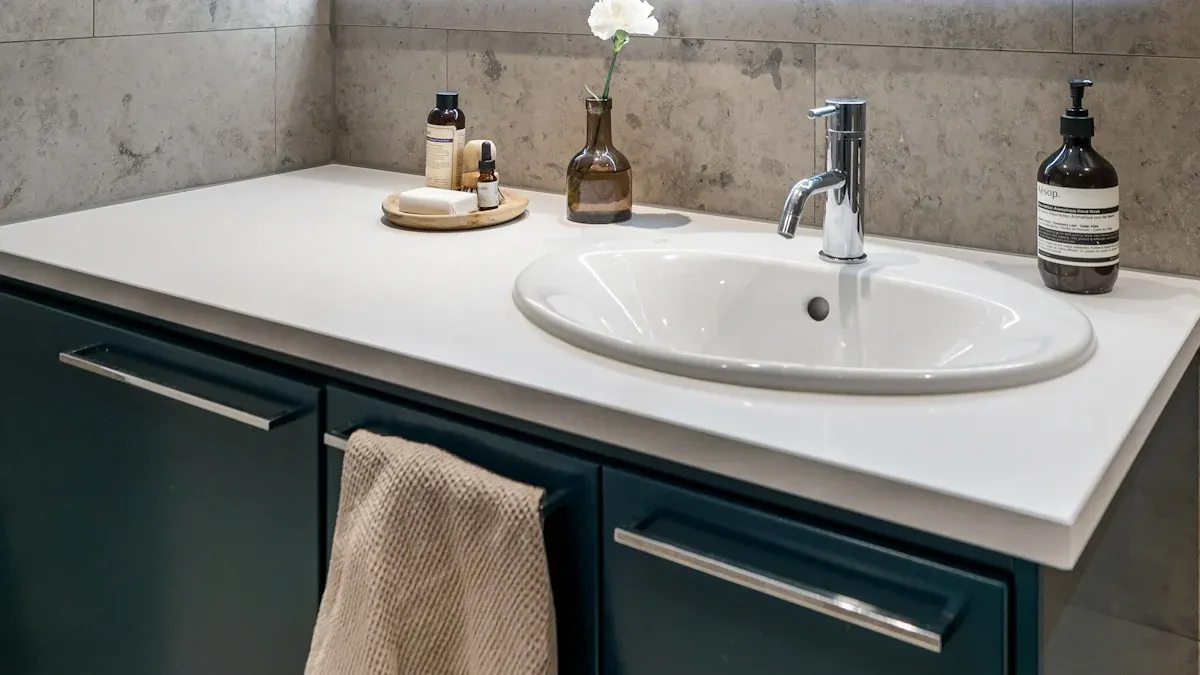
The global LED bathroom mirrors industry projects a 10.32% Compound Annual Growth Rate from 2023 to 2030. This growth confirms the LED Mirror Light as a crucial element for modern bathrooms. It instantly enhances functionality and elevates daily routines. An LED mirror also significantly boosts home value.
Key Takeaways
- Choose an LED mirror with good brightness and color options. This helps with tasks like makeup and sets the right mood.
- Look for features like anti-fog technology and smart controls. These make your daily bathroom routine easier and more convenient.
- Pick the right size and shape for your mirror. Make sure it fits your vanity and wall space well for the best look and use.
What Essential Features Should Your 2025 LED Mirror Light Have?
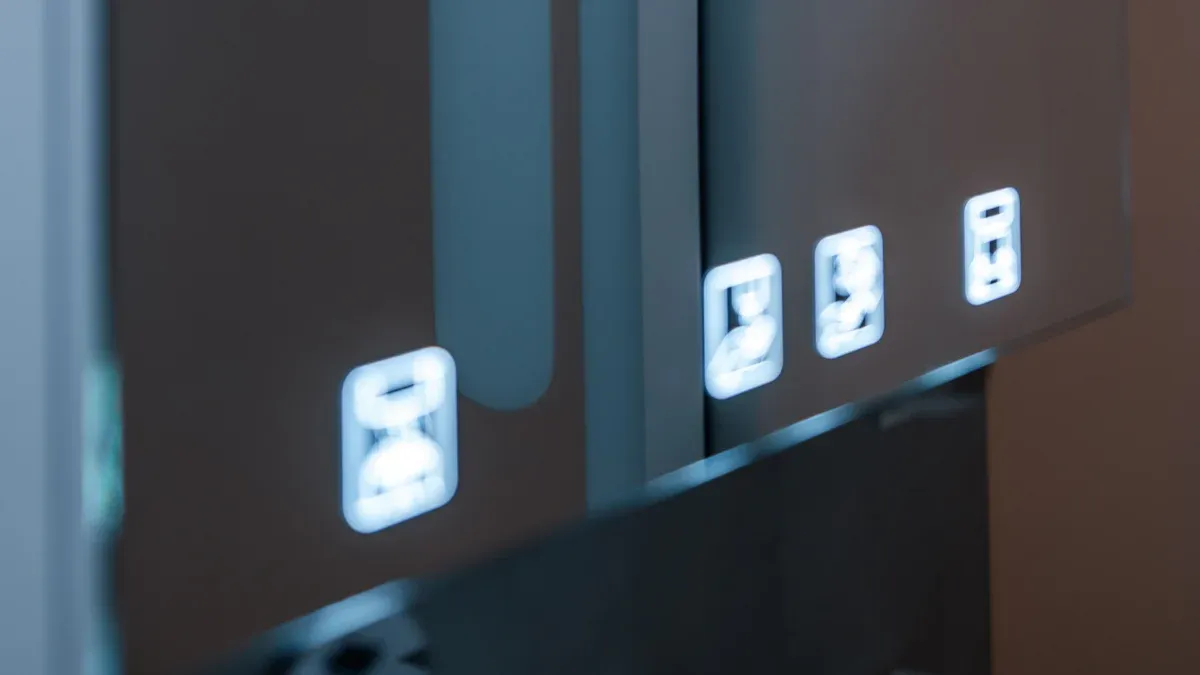
Selecting an LED mirror for a modern bathroom involves more than just aesthetics. Several essential features contribute to its functionality, convenience, and overall value. Understanding these aspects helps consumers make an informed decision for their 2025 bathroom upgrade.
Optimal Brightness and Dimmability for Your LED Mirror Light
Proper illumination is crucial for tasks performed in the bathroom, such as grooming and makeup application. The brightness of an LED mirror is measured in lumens. To determine the optimal lumen range, one can multiply the bathroom’s square footage by the desired foot-candle requirement. For example, a 50-square-foot bathroom needing 70-80 foot-candles requires 3,500-4,000 lumens. Many advanced LED mirrors offer dimmability, allowing users to adjust the light intensity to suit different times of day or specific tasks. This flexibility creates a comfortable and adaptable environment.
Here are some examples of luminous flux from various LED mirror models:
| Model Name | Luminous Flux (lm) |
|---|---|
| Halo R30 | 3410 |
| Halo 32 | 3960 |
| Spectro 32 | 4370 |
| Helios 32 | 4370 |
| Halo 36 | 4950 |
| Spectro 36 | 5060 |
| Spectro 40 | 6325 |
| Amber 40 | 6325 |
| Helios 40 | 6325 |
| Frame 36 | 6785 |
| Spectro 48 | 8970 |

Color Temperature Options (CCT) for Perfect Ambiance
Color Temperature (CCT) refers to the warmth or coolness of the light, measured in Kelvin (K). Different CCTs create distinct ambiances. Common options for LED mirrors include:
- 2200K (very warm, amber glow)
- 2700K (warm white, cozy)
- 3000K (soft white, slightly warm)
- 4000K (cool white, neutral)
- 5000K (daylight white, bright)
- 6000K (cool daylight, bluish tint)
For bathroom LED vanity mirrors, an ideal color temperature typically falls between 3000K and 4000K. This range provides a balanced light that is both relaxing and bright enough for grooming tasks.
High Color Rendering Index (CRI) for True-to-Life Reflection
The Color Rendering Index (CRI) measures how accurately a light source reveals the true colors of objects compared to natural light. A high CRI is essential for tasks like makeup application, ensuring colors appear as they would in natural daylight. A CRI rating of 90-100 is considered excellent for rendering colors naturally. This range is crucial for environments where precise color perception is essential, including makeup studios and vanity mirrors. A CRI of 90 or better achieves nearly perfectly natural color, which is important for personal appearance in homes.
Anti-Fog Technology for a Clear View
A common bathroom annoyance is a steamy mirror after a hot shower. Anti-fog technology eliminates this problem. These mirrors incorporate built-in defogging technology that maintains a clear surface, even in steamy environments. A heating pad integrated into the mirror prevents condensation from forming. This feature eliminates the need for manual wiping and reduces streak marks, providing uninterrupted convenience. The anti-fog function in LED bathroom mirrors uses a heating element embedded within the mirror’s surface. When activated, this element gently warms the mirror, preventing condensation and ensuring a clear reflection. This feature is often controlled by a separate switch, allowing activation only when needed, which promotes energy efficiency.
Smart Touch Controls and Sensors for Convenience
Modern LED mirrors often feature advanced controls for enhanced user experience. Smart touch controls allow users to adjust brightness, change color temperature, and activate anti-fog features with a simple tap. Sensors further elevate convenience. These can include:
- Touch & Motion Sensors
- Touch & Voice Activation
Motion sensors can turn the light on when someone enters the bathroom, while voice activation offers hands-free control. These smart features integrate seamlessly into a connected home, making daily routines more efficient and enjoyable.
What Types and Styles of LED Mirror Light Are Available?
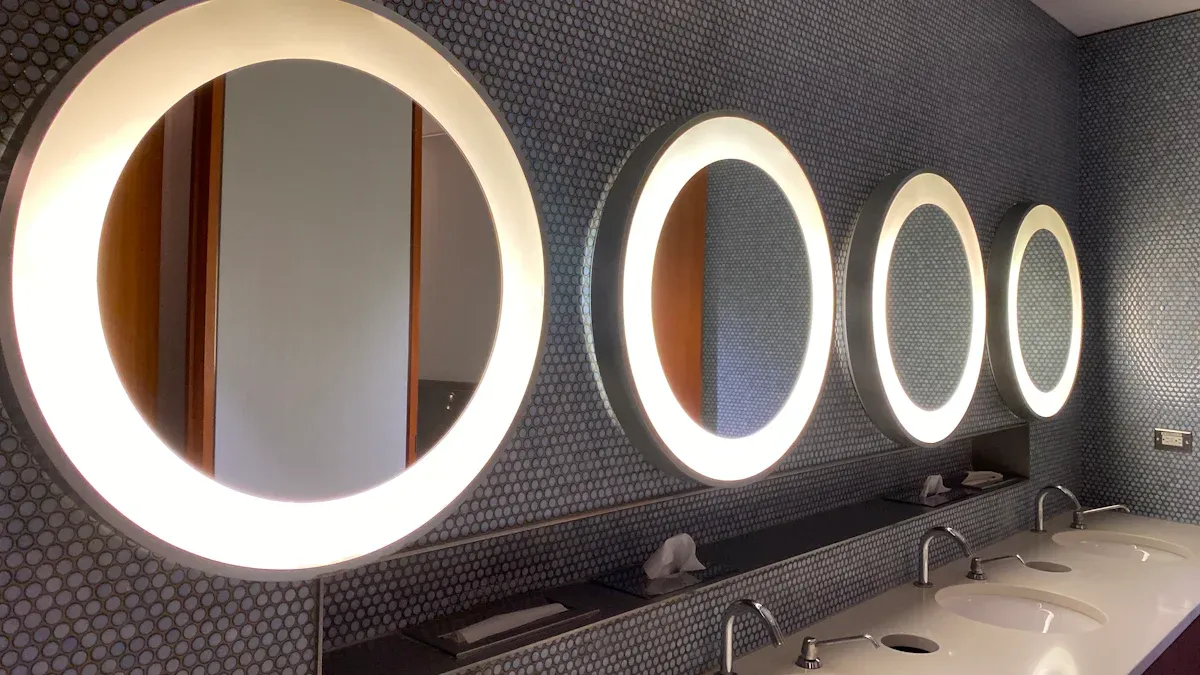
The market offers a diverse range of LED mirror styles, each designed to meet specific aesthetic and functional needs. Understanding these options helps consumers select the perfect fit for their bathroom.
Backlit vs. Front-Lit Illumination for Your LED Mirror Light
LED mirrors primarily feature two illumination types: front-lit and backlit. Front-lit mirrors provide direct, bright lighting, making them ideal for tasks like makeup application or shaving. The lighting often appears around the mirror’s edges or within its frame, creating a clear and focused effect. In contrast, backlit mirrors position lights behind the mirror, producing a softer, ambient glow. This creates a “halo” effect, enhancing the bathroom’s atmosphere.
| Feature | Front-Lit LED Mirrors | Backlit LED Mirrors |
|---|---|---|
| Lighting Focus | Direct, bright lighting | Soft, ambient glow |
| Best For | Task lighting (makeup, shaving, grooming) | Ambience and decoration |
| Mood Setting | Focused and practical lighting | Calm and elegant atmosphere |
Integrated vs. External Lighting Solutions
Integrated lighting solutions combine the mirror and light source into a single unit. This design offers several advantages over external fixtures. Integrated LED mirrors provide even, direct illumination, crucial for precise tasks. They also boast energy efficiency, consuming less power and offering a longer lifespan. This seamless integration creates a sleek, minimalistic aesthetic, enhancing the overall look of any space without bulky external fixtures. Greenergy Lighting specializes in these integrated solutions, offering products designed for effective and practical use.
Framed and Frameless Designs to Match Your Aesthetic
LED mirrors come in both framed and frameless designs, each contributing a distinct aesthetic. Frameless mirrors offer a modern, minimalist look, creating an illusion of more space. They suit contemporary interiors and smaller bathrooms. Framed mirrors, conversely, provide a decorative touch. They can complement traditional, farmhouse, or bohemian aesthetics, adding vintage charm or elegance. The frame can match cabinet finishes or hardware, tying together other design elements.
Round, Rectangular, and Unique Shapes for Personalization
Beyond illumination and framing, LED mirrors are available in various shapes. Rectangular mirrors remain a classic choice, offering broad reflective surfaces. Round mirrors introduce a softer, more organic feel, often becoming a focal point. Unique shapes, such as oval or abstract designs, allow for greater personalization, enabling homeowners to express their individual style and create a distinctive bathroom environment.
Smart Mirrors with Advanced Connectivity for Modern Homes
Smart mirrors represent the pinnacle of modern bathroom technology. These mirrors integrate advanced connectivity features, transforming a simple reflection into an interactive hub. They can synchronize with smart home systems, allowing control of other devices like lights or thermostats. Many smart mirrors offer Wi-Fi and Bluetooth integration, enabling app compatibility and access to online content such as weather updates or news headlines. Some even include health and wellness features, like skin health evaluation or built-in workout programs, making them a comprehensive addition to a modern home.
How Do You Determine the Right Size and Placement for Your LED Mirror Light?
Selecting the correct size and positioning for an LED mirror significantly impacts a bathroom’s functionality and aesthetic. Careful planning ensures the mirror enhances the space effectively.
Measuring for Your Vanity Size and Proportions
Proper measurement ensures the mirror complements the vanity. The mirror should be 2–4 inches narrower than the vanity, never exceeding its width, to maintain visual balance. For height, position the mirror’s bottom a few inches above the faucet. Its top should sit just below the ceiling or any overhead light fixture. The mirror’s center should align with the average user’s eye level for comfortable use. Standard vanity mirrors typically range from 24–36 inches wide for common vanities. Larger setups may require mirrors 40–48 inches or more.
Considering Wall Space and Overall Bathroom Layout
The available wall space dictates the appropriate mirror size and shape. Measure the installation area precisely to ensure a proper fit. Consider various shapes, such as round, rectangular, oval, or custom designs, to complement the bathroom’s existing aesthetic. In smaller bathrooms, a well-placed lighted mirror can enhance illumination and create the illusion of a larger space. Choose a mirror that fits the available wall area without overwhelming the room.
Optimal Height and Centering for Best Use
Optimal placement ensures both functionality and visual appeal. Center round or oval mirrors directly above the vanity’s midpoint. Position the mirror’s bottom edge slightly above the vanity for an artistic feel. The mirror should generally sit 5 to 10 inches above the highest part of the faucet to avoid obstruction. This typically places the mirror about 40 inches from the floor, aligning with average eye level. If the LED mirror light has integrated lighting above it, the ideal height for these lights is around 80 inches off the ground, or 5 to 10 inches above the mirror itself.
Mirror Placement for Effective Task Lighting
Strategic mirror placement is crucial for effective task lighting. Position the mirror to ensure light sources illuminate the face evenly, minimizing shadows. This is particularly important for grooming tasks like shaving or makeup application. Proper placement ensures the integrated lighting provides clear, direct illumination without glare, enhancing daily routines.
What Are the Installation and Power Considerations for Your LED Mirror Light?
Proper installation and understanding power requirements ensure the safe and effective operation of your bathroom mirror. Careful planning prevents future issues and guarantees long-term functionality.
Hardwired vs. Plug-In Options for Power
Consumers typically choose between hardwired and plug-in power options for their mirrors. Plug-in mirrors offer simpler installation, requiring only an available outlet. Hardwired mirrors provide a cleaner, integrated look, as they connect directly to the home’s electrical system. This option often requires more complex installation but eliminates visible cords.
Professional Installation Requirements and Safety
Hardwired mirror installations demand strict adherence to safety protocols. Always turn off power at the breaker to the circuit feeding the mirror location before starting any work. Use a voltage tester to confirm the wires at the junction box are not live. Most LED bathroom mirrors require hardwiring to a 120V circuit. If you feel uncomfortable with electrical connections, hire a licensed and bonded electrician. They ensure compliance with local codes. Connect the neutral wire from the mirror’s jumper to the neutral in the wall box. Then, connect the line (hot) conductor from the mirror’s jumper to the hot conductor in the wall box. Gently tuck connections into the wall box, ensuring no bare copper is exposed.
Electrical Code Compliance for Bathroom Fixtures
Bathroom fixtures must meet specific electrical code standards. Bathroom LED mirror fixtures require a minimum IP44 protection rating against water splashes. Compliance with U.S. electrical codes, such as the National Electrical Code (NEC), is essential for bathroom lighting. Look for UL-listed fixtures; they meet American safety standards for water resistance and electrical safety. The NEC mandates GFCI (Ground Fault Circuit Interrupter) protection for all electrical outlets and fixtures in wet locations within bathrooms. Ensure the IP rating of the fixture matches the bathroom zone.
Mounting Hardware and Stability for Long-Term Use
Secure mounting hardware ensures the stability and longevity of your mirror. Modern mirrors often use bracket-based mounting systems. These brackets connect to wall support hardware, distributing weight evenly. Z Bar or French Cleat style supports offer strong, stable support for heavier mirrors. Some mirrors feature integrated mounting frames, allowing them to rest securely on wall studs. Other options include mirror clips, heavy-duty D-rings, and mounting hooks. Reinforced wall fixings are essential, especially when drywall alone cannot support significant weight. Wall anchors, such as expansion anchors or toggle bolts, secure hardware in drywall.
What Value and Budget Should You Expect for an LED Mirror Light?
Investing in an LED mirror for a bathroom requires understanding its value proposition and budget considerations. Quality, features, and brand influence pricing, but the long-term benefits often outweigh the initial cost.
Price Ranges for Quality LED Mirrors in 2025
The price of quality LED mirrors in 2025 varies significantly based on size, features, and brand reputation. Basic models with essential lighting and anti-fog capabilities typically fall into a lower price bracket. More advanced mirrors, featuring smart connectivity, advanced controls, and unique designs, command higher prices. Consumers should research different brands and models to find a mirror that aligns with their budget and desired functionalities.
Warranty and Customer Support for Your Investment
A robust warranty and reliable customer support protect a consumer’s investment. Many reputable manufacturers offer comprehensive warranties covering LED components and glass.
| Company | LED/Glass Warranty | Replaced Components Warranty | Customer Support Contact Methods |
|---|---|---|---|
| LED Mirrors Direct | 5 years | 3 years (or remainder of original) | Phone, Email, Photos/Videos/Descriptions of issues |
| Matrix Mirrors | 5 years | 3 years (or remainder of original) | Phone, Email, Photos/Videos/Descriptions of issues |
| Craft & Main | Not specified | Not specified | Warranty registration required within 30 days |
These warranties provide peace of mind, ensuring product longevity and manufacturer accountability.
Energy Efficiency and Longevity of LED Mirror Lights
LED Mirror Light models offer significant energy savings compared to traditional lighting. They consume considerably less power than older incandescent bulbs. While fluorescent lights show better efficiency than incandescents, they cannot match the superior efficiency of LEDs. LEDs also generate less heat, contributing to energy savings. These mirrors are up to 80% more energy-efficient than traditional incandescent vanity lighting due to their low wattage and high luminosity. The expected lifespan of LED components in modern bathroom mirrors typically ranges from 30,000 to 50,000 hours. This duration means these mirrors can function for several years before replacement becomes necessary.
Future-Proofing Your Bathroom with the Right Purchase
Future-proofing a bathroom with an LED mirror involves selecting models with advanced features that remain relevant for years. These features enhance convenience and integrate with evolving smart home ecosystems.
- Dimmable Lighting & Color Temperature Control
- Anti-Fog Technology
- Bluetooth Audio Speakers
- Touch & Voice Activation
- Digital Display
- Smartphone App Integration
Emerging trends also include:
- AI Skin Analysis
- Integrated Health Sensors
- Modular Designs
- Sustainable Materials
Choosing a mirror with these capabilities ensures the bathroom remains modern and functional.
Choosing the right LED Mirror Light involves considering essential features, optimal sizing, and proper installation. Match its style and functionality to your lifestyle and bathroom design. This strategic selection ensures you embrace the future of bathroom illumination, enhancing both aesthetics and daily routines.
FAQ
What is the ideal color temperature for a bathroom LED mirror?
The ideal color temperature for a bathroom LED mirror typically ranges between 3000K and 4000K. This range provides balanced light, suitable for both relaxation and grooming tasks.
Why is a high CRI important for an LED mirror?
A high Color Rendering Index (CRI) is crucial for an LED mirror because it ensures true-to-life color reflection. This accuracy is essential for tasks like makeup application, making colors appear natural.
Do LED mirrors save energy?
Yes, LED mirrors offer significant energy savings. They consume considerably less power than traditional lighting options. LEDs are up to 80% more energy-efficient than incandescent vanity lighting.
Post time: Dec-19-2025


